Overheating or Radiator Repair in Winston Salem
Keeping Engine Temperatures Under Control
An engine produces considerable heat during normal operation, and its cooling system must continually regulate that temperature to prevent damage. Coolant circulates through the engine and radiator, while the thermostat, water pump, hoses, and cooling fans each contribute to the process. When one part stops working correctly, the effects can range from a gradual loss of coolant to a temperature gauge that climbs into the danger zone. Our mobile cooling system and radiator services in Winston-Salem, NC, help investigate overheating, coolant leaks, and related mechanical concerns so drivers can identify the source of the problem and determine which repairs are needed.
What Can Cooling System Services Address?
Cooling system faults can develop in several ways. A damaged hose may allow coolant to escape, a thermostat may prevent proper circulation, or a malfunctioning fan may struggle to remove heat when the vehicle is stationary. Identifying the underlying fault is important because continuing to operate an overheating engine can lead to expensive internal damage.
Cooling system services may address problems such as:
- Engine temperature gauges rising above normal
- Engines that overheat in traffic or at idle
- Coolant puddles beneath a parked vehicle
- Low coolant levels or repeated coolant loss
- Radiator leaks and visible corrosion
- Damaged or deteriorated coolant hoses
- Faulty thermostats
- Water pump problems
- Cooling fan malfunctions
- Coolant circulation issues
- Unusual smells associated with coolant leaks
- Cooling system warning lights
- Recurring overheating after previous repairs
Why An Overheating Car Requires Prompt Attention
An engine that repeatedly runs too hot may suffer damage to its cylinder head, head gasket, or other internal components. Even a seemingly minor coolant leak can become serious if the fluid level drops far enough to compromise cooling. Identifying the fault early may help prevent a manageable repair from developing into a much larger mechanical problem.
Mobile cooling system service can be useful when the necessary inspection or repair is suitable for the vehicle's location. Some jobs require a cold engine, specialized testing equipment, or workshop facilities, so the available options depend on the specific fault.
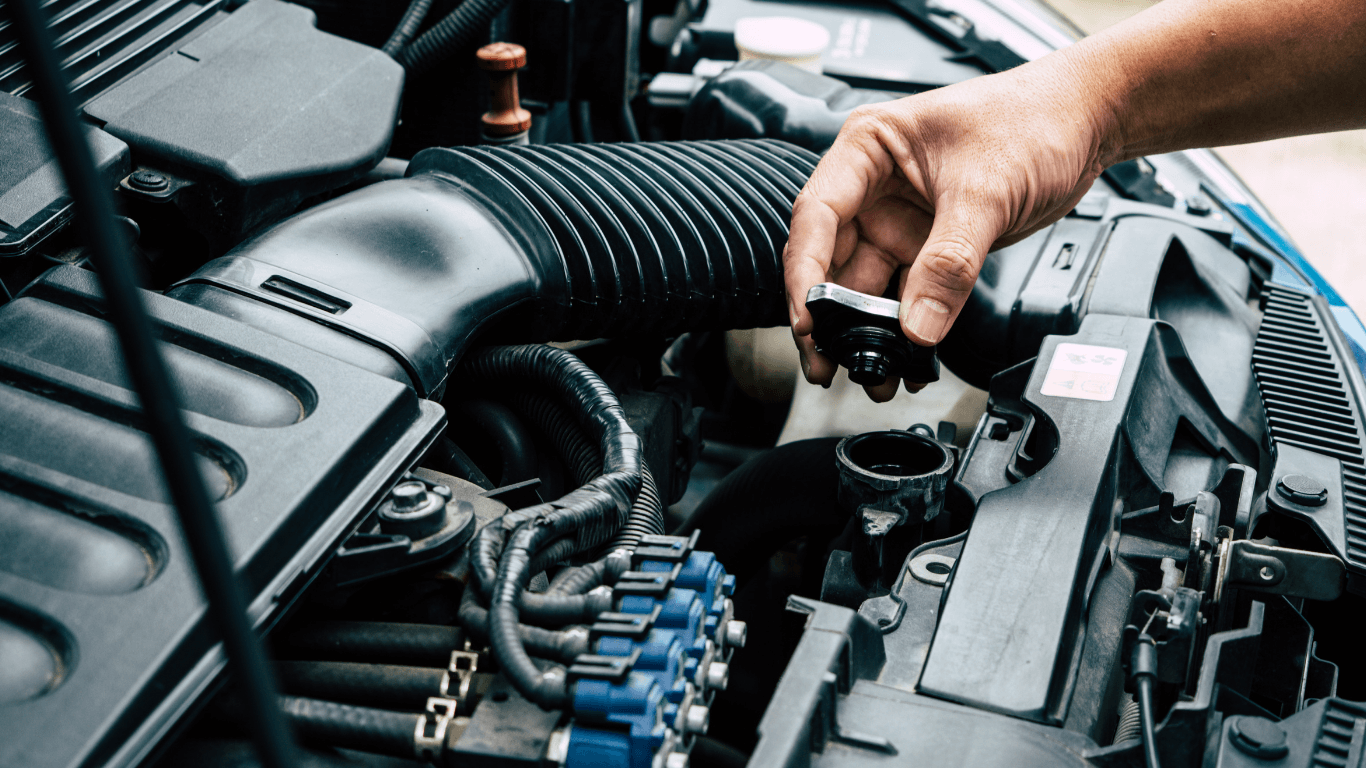
Safety note: If the temperature gauge enters the danger zone, a temperature warning appears, or steam comes from under the hood, pull over somewhere safe, switch off the engine, and allow it to cool. Never remove a radiator cap or pressurized coolant reservoir cap while the engine is hot. If overheating persists, arrange assistance rather than continuing to drive.
Schedule Your Radiator / Cooling System Repair Today
Whether you've noticed coolant beneath your vehicle, a temperature gauge that keeps climbing, or recurring overheating despite previous repairs, identifying the cause is the place to start. Contact our Winston-Salem mobile auto repair technicians to describe the symptoms and ask about radiator inspection, coolant leak diagnosis, or other cooling system services at your location. Get in touch today to discuss the problem and determine the most appropriate next step for your vehicle.